Say Goodbye to Bed Bugs: Understanding Heat Treatment and Why It Gets Results
Bed bugs continue to pose a significant challenge for many residences. Standard treatments commonly use dangerous chemicals that present health risks. Thermal treatment provides a practical solution. Through the application of elevated temperatures, this approach successfully eliminates every life stage of bed bugs. Exploring the science behind this process uncovers its strengths. Which particular mechanisms contribute to the success of heat treatment? The answers may change how one thinks about pest control.
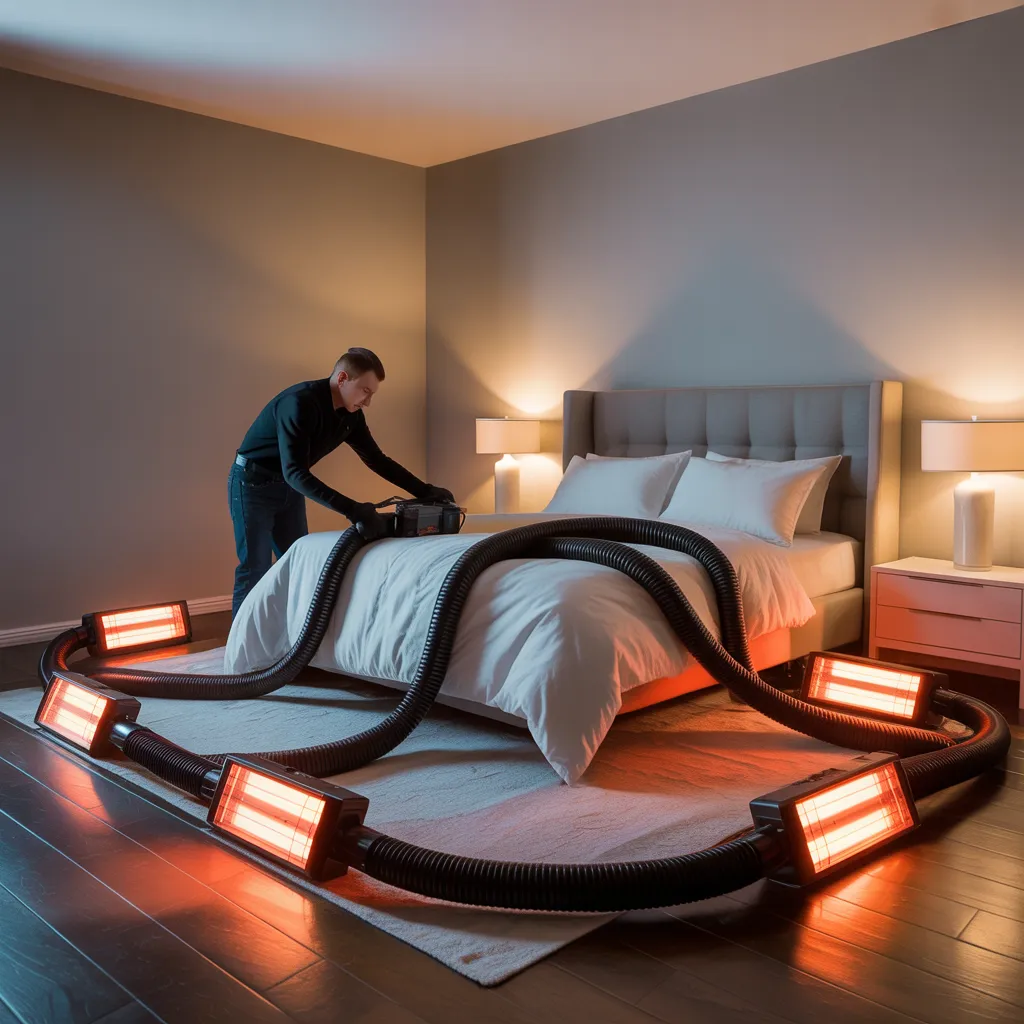
Struggling With Bed Bugs? Find Out How Heat Treatment Can Help
How do homeowners successfully tackle the relentless problem of bed bugs? More people are relying on heat treatment as a trusted solution. The process consists of raising the temperature of contaminated rooms to levels lethal for bed bugs, targeting all life stages, from eggs to adults. Unlike traditional pesticides, which can leave toxic residues and need multiple applications, heat treatment provides a simpler and cleaner solution.
Skilled pest control professionals typically utilize advanced tools to ensure consistent heat circulation throughout the infested space. Residents value that this approach is non-toxic, making it more suitable for families and pets. Moreover, this heating process frequently leads to a quicker resolution, letting occupants get back to their regular schedules without delay.
Even though heat treatment can be an significant investment, its comprehensive nature and proven effectiveness position it as a favored option for homeowners dealing with recurring bed bug infestations, delivering a viable path to taking back their homes.
The Scientific Principles Behind Temperature and Bed Bug Elimination
Understanding the connection between temperature and bed bug mortality is essential for understanding the effectiveness of heat treatment. Bed bugs, formally classified as Cimex lectularius, are susceptible to temperature extremes. Studies show that subjection to temperatures above 118°F (48°C) for a prolonged duration can effectively kill bed bugs in each developmental phase, including eggs. In contrast, temperatures below 50°F (10°C) can extend their lifespan, causing them to fall into a dormant state.
The deadly impact of heat on bed bugs is attributed to its impact on their bodily functions. Extreme temperatures compromise cellular activity and result in dehydration, ultimately resulting in mortality. Furthermore, heat treatment penetrates various materials, making certain that hidden colonies are treated. This method's efficacy lies in its ability to achieve consistent heat levels across affected areas, eliminating the pests without the use of chemicals, establishing it as a top selection for numerous pest control specialists.
Why Heat Treatment Works Against Bed Bugs
Heat treatment is an exceptionally powerful approach for eradicating bed bugs owing to its capability to attain temperatures fatal to all developmental stages of these pests. Unlike chemical treatments, which bed bugs can develop resistance to, heat infiltrates surfaces and discover more removes infestations entirely. This approach disrupts the bed bug life cycle, making certain that both mature bed bugs and their eggs are successfully eliminated.
Superior High Temperature Performance
Numerous studies have demonstrated that high temperatures efficiently destroy bed bugs throughout all phases of their life cycle, including all forms from eggs to adults. When subjected to heat exceeding 120°F (49°C), bed bugs suffer critical physiological breakdown, resulting in death. Heat penetrates various materials and reaches hiding spots, providing complete coverage. Unlike chemical methods, which may leave residues or fail due to insect resistance, heat-based treatment delivers a thorough solution free of harmful substances. Moreover, the procedure is fast, usually taking only a few hours to deliver effective results. This level of efficiency has established heat treatment as a top choice for residential and commercial applications, as it not only eliminates current infestations but also reduces the likelihood of future occurrences.
Life Cycle of Bed Bugs
The success rate of thermal treatment against bed bugs is closely linked to their life cycle. Bed bugs undergo several stages: egg, nymph, and adult. Eggs are notably fragile, as they cannot endure high temperatures. Once hatched, nymphs and adults are also susceptible; however, they can survive lower temperatures for short durations. Heat treatment increases the temperature to levels lethal to all life stages, interrupting their life cycle. At 118°F (48°C), bed bugs commence dying within 90 minutes, while temperatures above 122°F (50°C) can eliminate them within minutes. This comprehensive approach confirms that not only adult bed bugs are eliminated, but also their eggs and nymphs, making heat treatment a highly effective method for full eradication.
Chemical Resistance Limitations
Numerous pest control professionals are more and more focused on the growing chemical resistance of bed bugs. Standard insecticides, once reliable, are increasingly failing due to adaptive mechanisms in bed bug populations. These insects can acquire resistance through genetic mutations, making it difficult for chemical treatments to eradicate infestations completely. As a result, relying solely on chemicals can result in prolonged infestations and increased costs for homeowners. In contrast, heat treatment avoids this issue by attacking bed bugs with high temperatures that they are unable to survive. At temperatures above 120°F, bed bugs, including all life stages, are effectively killed within minutes. This method not only ensures comprehensive extermination but also removes the risk of resistance, making heat treatment a proven solution for bed bug infestations.
Reasons to Choose Heat Treatment Instead of Chemical Solutions
While both heat treatment and chemical solutions aim to eradicate bed bugs, heat treatment provides notable benefits that make it the favored option for many homeowners. A key advantage is its capacity to eradicate every life stage of bed bugs, including eggs, within one treatment. This thorough eradication reduces the likelihood of reinfestation, a common issue with chemical treatments that may not reach all hiding spots.
Additionally, heat treatment remains an environmentally safe option, as it prevents the use of toxic chemicals that can create health dangers to humans and pets. It also eradicates the need for time-consuming preparations, such as relocating bedding and personal possessions, rendering the treatment process significantly more straightforward.
In addition, heat treatment typically results in more rapid recovery periods, allowing affected individuals to resume their daily activities faster. In summary, the safety and effectiveness of heat treatment position it as a compelling substitute for traditional chemical solutions in the battle against bed bugs.
What to Expect During Heat Treatment
In the course of bed bug heat treatment, residents can look forward to a detailed process that includes raising the temperature of the affected area. The treatment typically lasts a few hours, ensuring thorough penetration to eliminate insects at every stage of development. After the procedure, significant changes in the surrounding area, such as increased cleanliness and fewer insect sightings, will be evident.
What You Can Expect During
Bed bug heat treatment requires a detailed and structured procedure intended to eradicate infestations efficiently. Throughout this process, the treatment zone will be sealed off to retain heat, making certain that temperatures rise to levels deadly to bed bugs at every stage of their life cycle. Residents should anticipate having personal belongings cleared from the affected space, as well as the use of specialized equipment such as heaters and thermal sensors. Technicians will monitor temperatures closely, ensuring uniform heat distribution across the entire area. It is necessary for all residents to evacuate the premises for a predetermined timeframe to protect themselves from intense heat. Upon completion, a follow-up inspection may be recommended to confirm the effectiveness of the treatment and verify that no bed bugs remain.
Treatment Duration Overview
How long can one expect the heat treatment for bed bugs to last? Typically, the treatment process may last between six and eight hours, according to the scope of the infested space and the intensity of the infestation. During this time, the targeted temperature of 120°F to 140°F is maintained to guarantee effective elimination of bed bugs in all life stages. Homeowners should be prepared for the entire space to heat up, which may require removing sensitive items beforehand. Once the treatment is complete, a cooling period will ensue, enabling the area to settle back to a safe and normal temperature. It is important for residents to leave the property as directed to ensure optimal outcomes and safety during the procedure.
Post-Treatment Environmental Modifications
While the heat treatment is underway, significant changes in the environment can be expected. The temperature inside the treated area will gradually increase, frequently peaking between 120°F and 140°F. This elevated temperature successfully eliminates bed bugs across all life stages, yet it may also call for accommodations on the part of the occupants. Belongings such as electronics and fragile materials should be taken out or shielded to prevent potential harm. Furthermore, certain pieces of furniture may require repositioning to ensure uniform heat distribution. The process can create an uncomfortable atmosphere, leading to temporary relocation for residents. After the treatment concludes, a comprehensive inspection and cleaning are necessary to confirm the elimination of any lingering pests, further validating the overall effectiveness of the heat treatment process.
Important Steps to Prepare for Heat Treatment
Preparing for bed bug heat treatment necessitates careful planning to secure effectiveness and safety. Homeowners should start by taking items out of the treatment area, including clothing, linens, and personal belongings, to avoid damage and ensure comprehensive heat distribution. It is vital to launder and dry these items on high heat to eliminate any hidden bed bugs.
Furthermore, furniture must be repositioned away from walls to allow heat to circulate freely. In addition, sensitive electronics, plants, and perishable items should be relocated to prevent exposure to elevated temperatures. Pets should be removed to a safe location during the treatment process, as they are susceptible to harmful effects.
Finally, staying in contact with the pest control specialist is essential for understanding specific instructions tailored to the situation. Implementing these guidelines will ensure the heat treatment process reaches its full potential, promising a residence that is entirely rid of bed bugs.
Common Questions and Answers
How Long Does Heat Treatment Take to Eliminate Bed Bugs?
Heat treatment typically takes anywhere from six to eight hours to effectively eliminate bed bugs. This method requires keeping specific temperatures for a sustained duration, ensuring that all life stages of the pests are eradicated.
Could My Belongings Be at Risk During Treatment?
Throughout the heat treatment process, belongings face a minimal level of risk. That said, belongings that are sensitive to elevated temperatures, like electronic devices or particular fabric materials, could sustain damage. Appropriate preventive measures can help minimize these risks considerably.
Can Pets Remain in the Home During Heat Treatment?
Pet companions should not stay in the home during thermal treatment. The elevated temperatures could pose risks to them, so it is recommended for pet owners to arrange for their pets to stay elsewhere during the process.
Does Heat Treatment Work on Every Life Stage of Bed Bugs?
Yes, heat treatment thoroughly combats bed bugs at every stage of development, encompassing all stages from eggs to nymphs and adults. The intense heat penetrate different harborage points, delivering total extermination and protecting against subsequent infestations.
How Regularly Should I Arrange Heat Treatments for Prevention?
Planning heat treatments on a six to twelve month basis is suggested for prevention. This treatment interval serves to eradicate any potential infestations before they escalate, guaranteeing a forward-thinking approach to preserving a pest-free environment in homes.